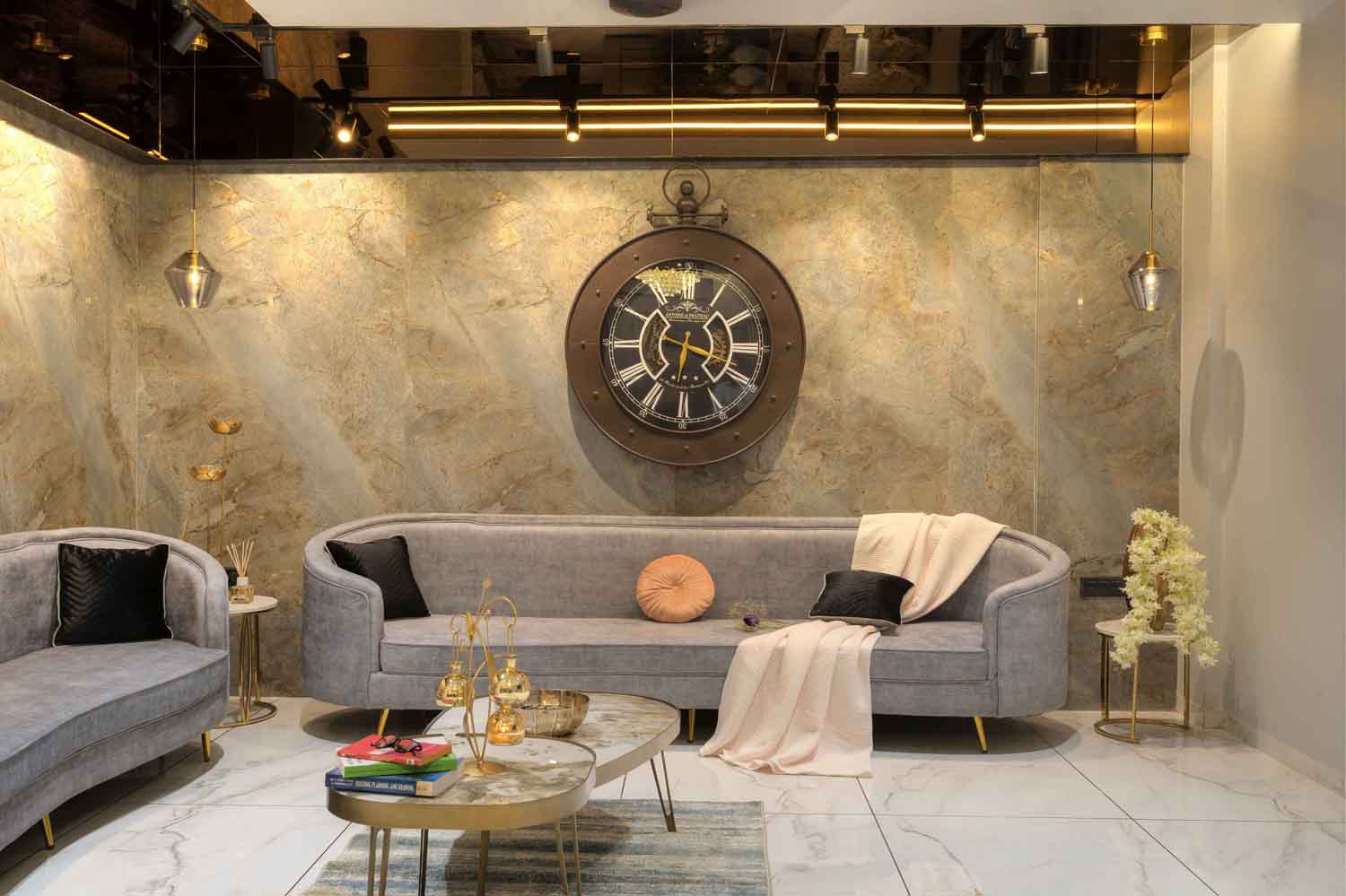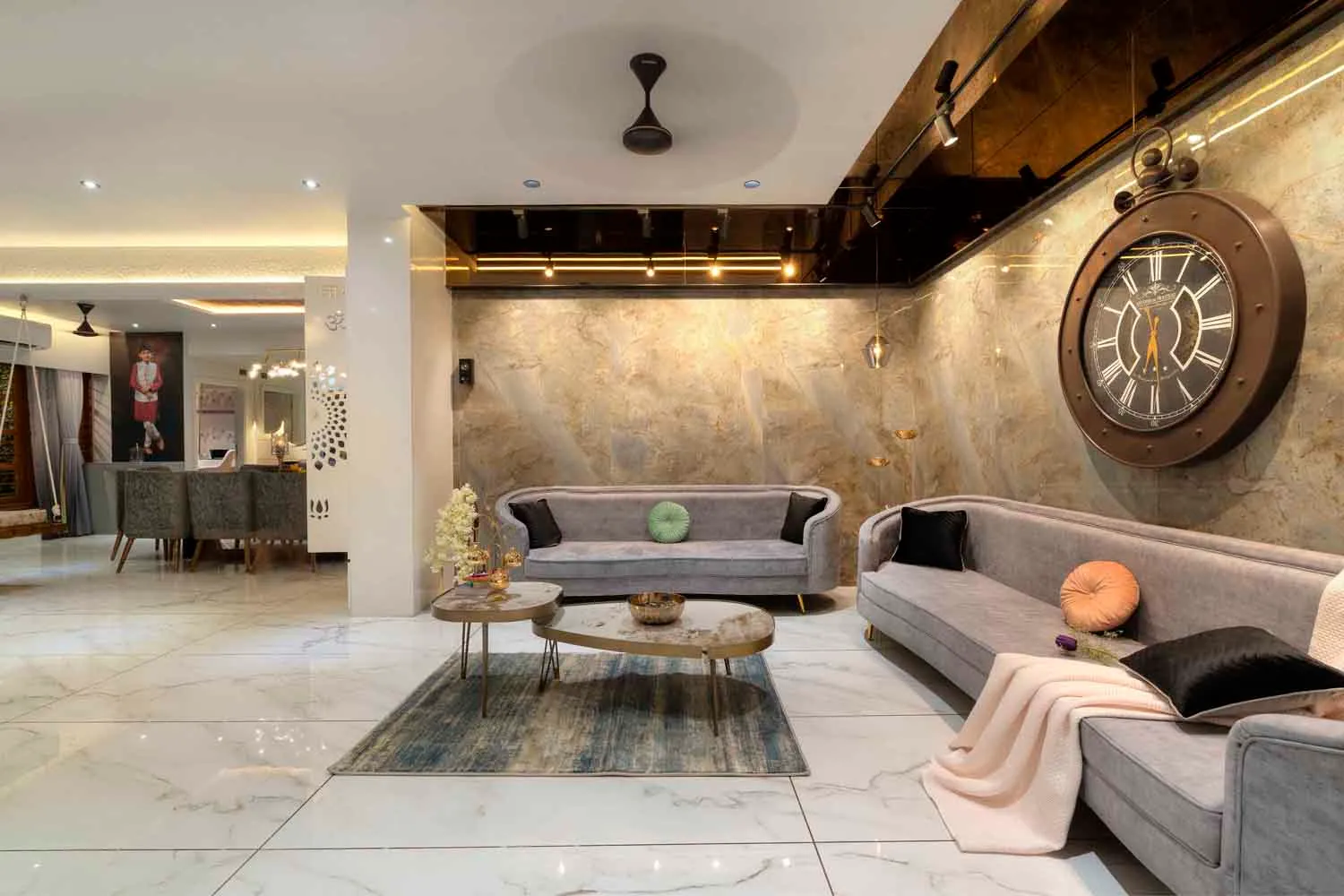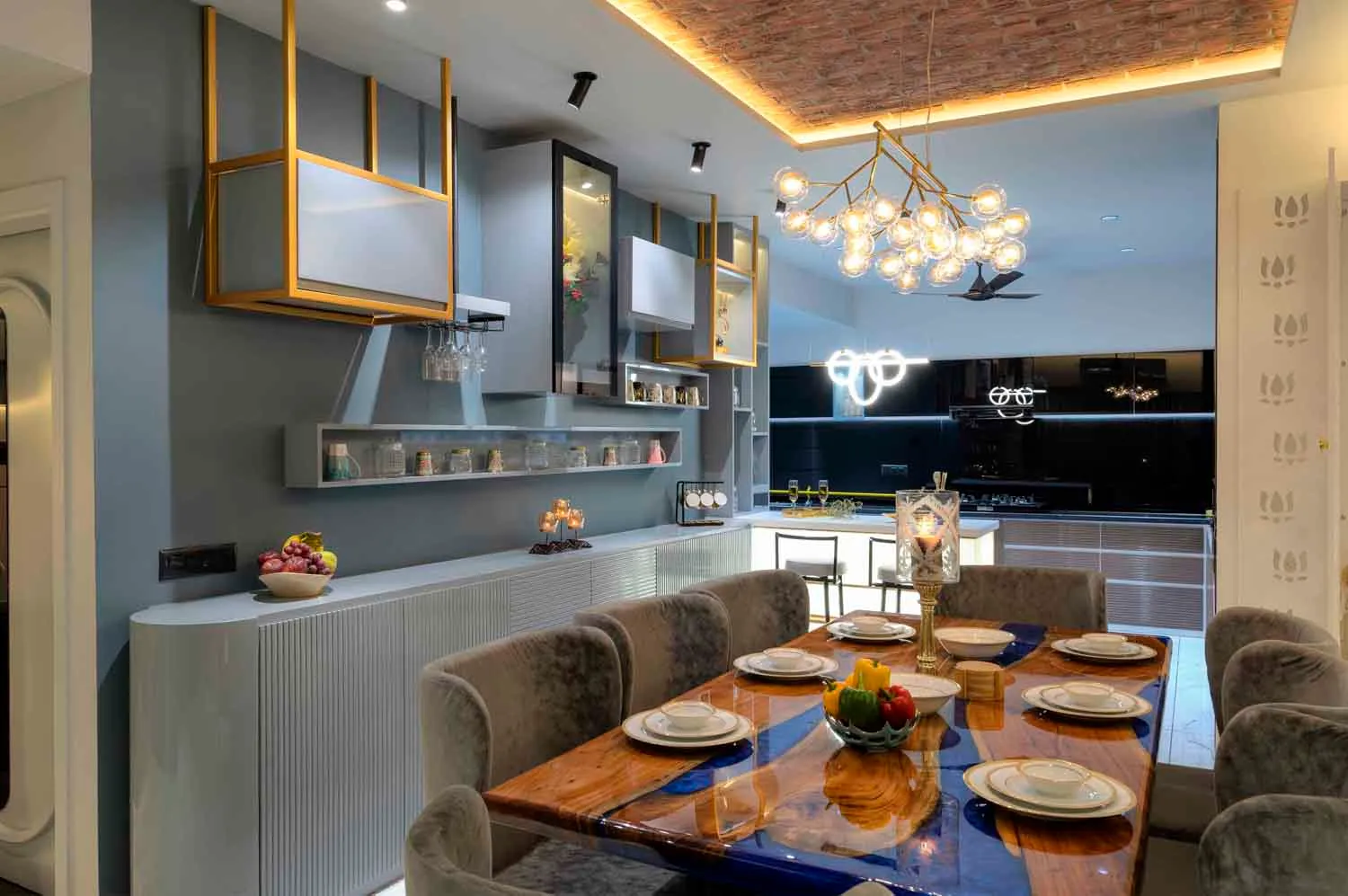
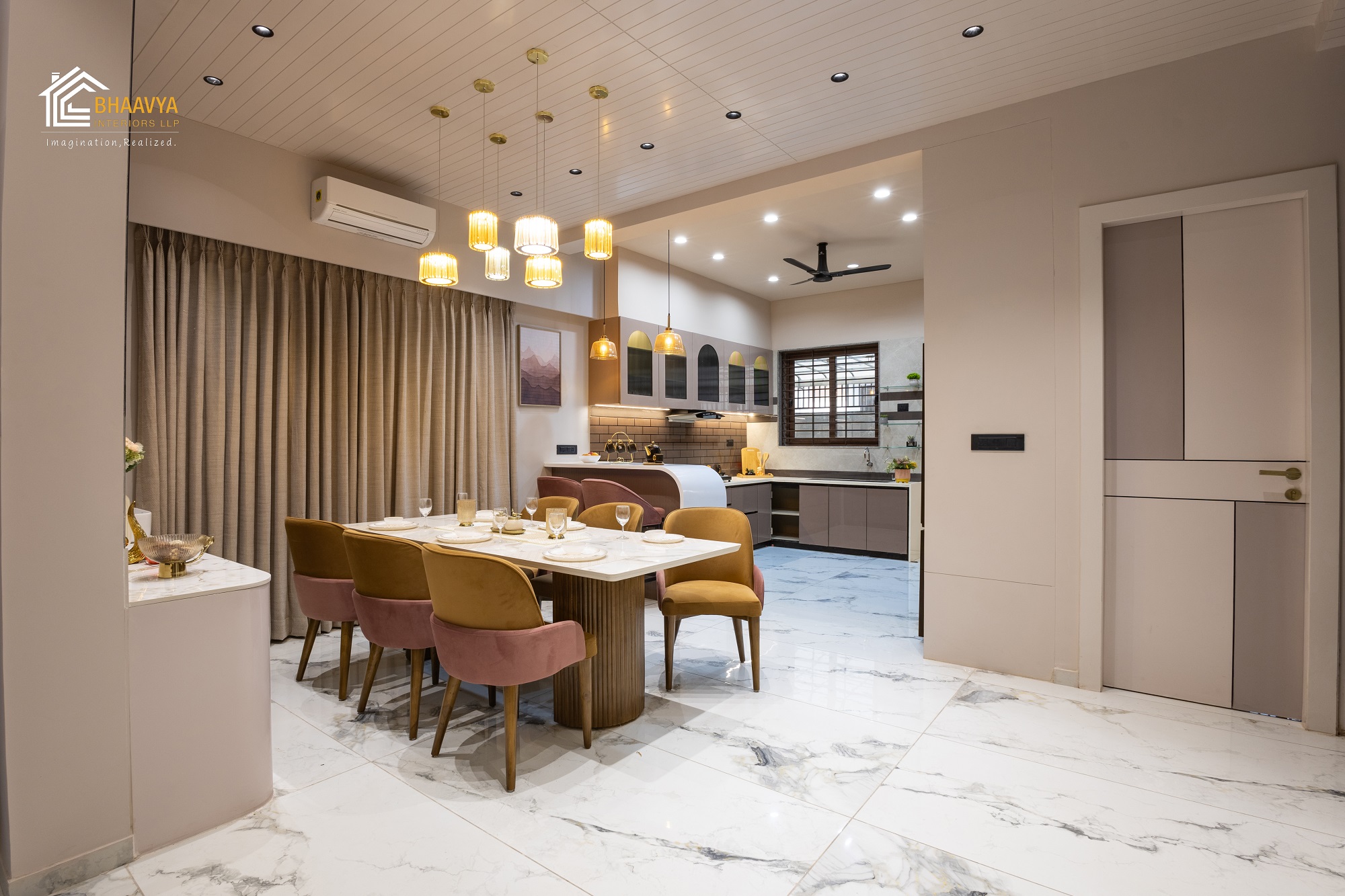
Many people think interior design is just about picking colors, furniture, and decorations. However, it’s a structured process that changes empty spaces into functional and personalized areas. A successful project starts with understanding the client’s lifestyle, preferences, and long-term needs. Without this foundation, even the most beautiful designs may not work well in practice.
Understanding the Design Process
The first stage involves consultation and analyzing requirements. This includes taking site measurements and discussing daily routines, storage needs, family structure, and design goals. The next step is space planning, which is arguably the most important stage. Proper circulation areas, furniture placement, and zoning decide how comfortable and efficient a home will feel.
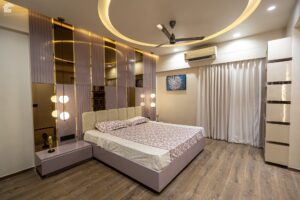
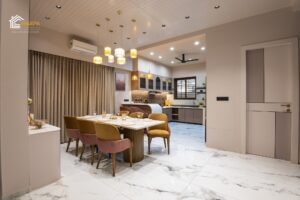
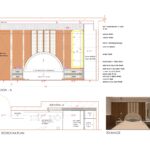
After planning, concept development starts. Designers create mood boards, material palettes, color schemes, and lighting themes that set the overall style. This stage helps clients picture the emotional tone of their future home. Once approved, technical drawings are prepared. These drawings include electrical layouts, plumbing details, ceiling plans, and furniture joinery drawings to ensure a smooth execution.
“Modern interior design also uses 3D visualization. This helps clients see realistic images of their home before construction starts, which cuts down on confusion and expensive changes.”
Finally, execution and supervision guarantee quality control. Regular site visits, vendor coordination, and timeline management keep the project on track.
A professional interior design process ensures transparency, efficiency, and satisfaction, turning ideas into reality with precision and clarity.